
Line Stopped? Solve Corrugator Downtime with the Right Pneumatic Cylinder Specs
Line Stopped? Solve Corrugator Downtime with the Right Pneumatic Cylinder Specs
A corrugator rarely stops at a convenient moment. Mid-shift, mid-order, with board moving through the double facer, a transfer arm freezes halfway through its stroke, the sequence control flags an incomplete action, and the line halts. When maintenance traces that stoppage back through the machine cycle, the component at the centre of the fault is very often a pneumatic cylinder that no longer delivers the force, the stroke or the timing the cycle requires.
This guide is written for the people who have to clear that stoppage — maintenance engineers, line supervisors and procurement staff at box plants. It covers the diagnostic logic behind pneumatic actuation failures, the specification decisions that resolve pressure and actuation problems, and the reference values for the PC-1 pneumatic cylinder supplied by LLY PACK (HK) CO., LIMITED: bore size 32–400 mm, maximum stroke 1000 mm, working pressure range 1.5 to 8 bar, and a temperature range of −25 °C to 80 °C.
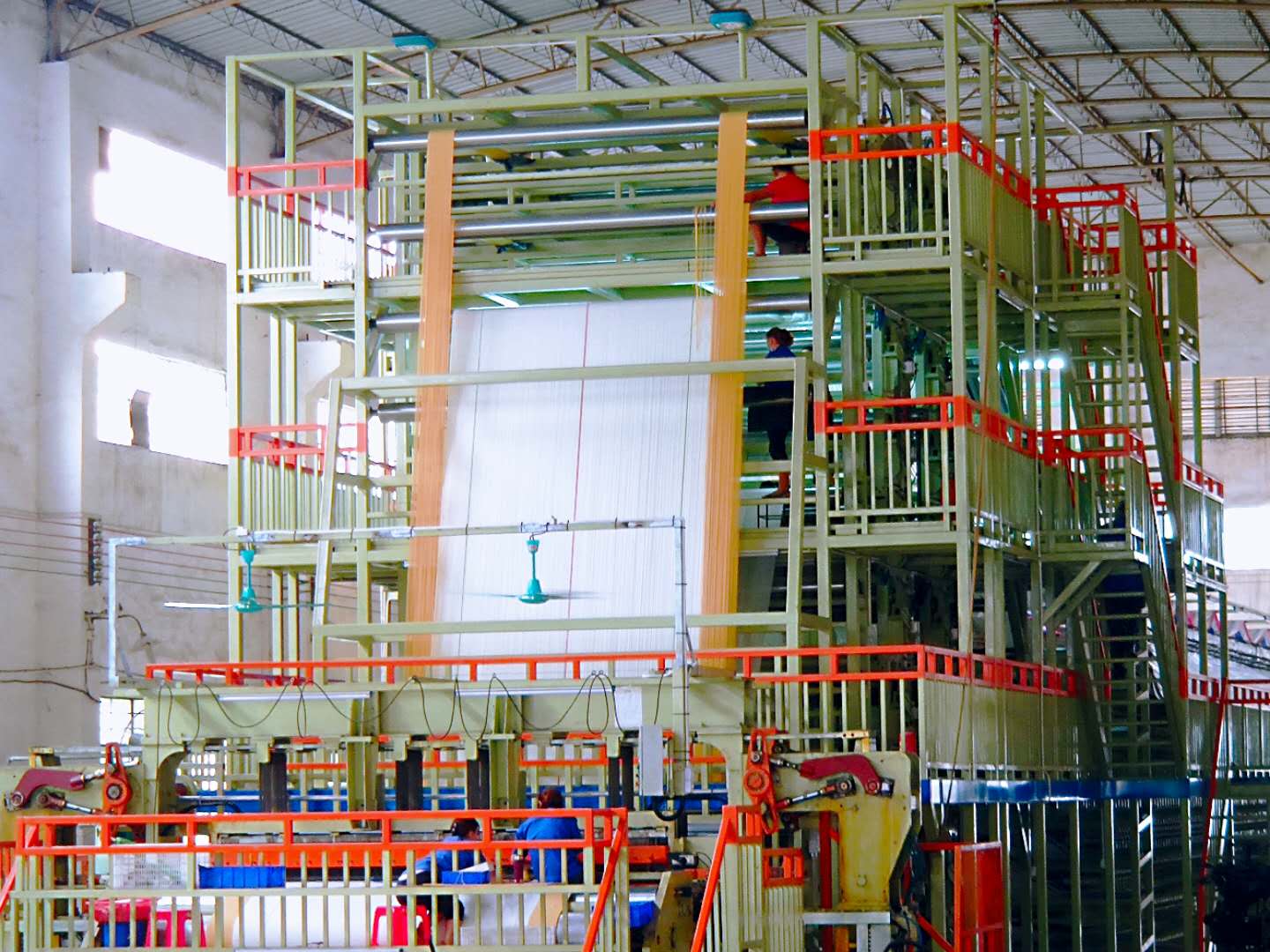
Fig. 1 — Double facer belt production at LLY PACK's corrugated machine parts factory in Foshan City, Guangdong Province.
What Actually Fails When the Line Stops on a Cylinder Fault
A pneumatic cylinder converts compressed air pressure into linear force and stroke. On a corrugated line, that force performs one defined mechanical job: driving a knife, clamping a stack, lifting a reel, releasing a brake, or holding a blade in cutting position. When the cylinder stops producing the required force at the required moment, the machine's sequence control sees an incomplete action and stops the line.
In practice, cylinder-related stoppages present themselves as a small set of repeatable symptoms:
- Incomplete or sluggish stroke when the cylinder is under load
- Late actuation at high line speed, even though the same function worked perfectly at low speed
- Pressure decay at the cylinder port while the valve is still open
- Audible air leakage at the rod seal, end cap or fittings
- Hard impact at end of stroke, followed by rod or mounting damage
- Quality drift after the stroke finishes — inconsistent cut length, blade position or stack alignment
Those symptoms trace back to five root causes, and only some of them are solved by bolting on an identical replacement:
- Insufficient force. The bore is too small for the load the cylinder has to move at the pressure actually available in the plant.
- Pressure limitation. Air at the cylinder port sits below the cylinder's working band, or collapses during actuation because of long, restricted or contaminated air lines.
- Seal and wear degradation. Elastomer seals harden, swell or become contaminated; friction rises and the cylinder loses speed and force.
- Misalignment and side load. A bent rod, worn mount or non-parallel guides convert part of the available force into friction against the bore.
- Thermal exposure. Ambient or radiant heat at the mounting position pushes the cylinder outside the temperature band its seals were selected for.
The fifth cause is the one buyers underestimate most often. A cylinder can be mechanically correct on paper and still fail early if it is installed close to a hot section of the line, or in a plant that starts cold. That is why the specification decision — not the replacement itself — is what actually ends repeat failures.
Why Cylinder Sourcing Is a Concentrated-Market Problem
Corrugated converting is a mature industry with a highly concentrated equipment supply base. According to Future Market Insights (2025), global Tier 1 corrugated machinery manufacturers — BHS Corrugated, Fosber and Mitsubishi among them — hold approximately 60% of the market. The practical consequence for a box plant is straightforward: most installed corrugators were built by a small number of machine builders, so a replacement cylinder usually has to match the geometry, mounting pattern, port position and stroke of a machine that may have been installed years ago.
Demand is not shrinking. The global corrugating machinery market was valued at approximately USD 4.8 billion in 2025 and is projected to reach USD 8.1 billion by 2034 (Dataintelo). Asia-Pacific accounted for approximately 40.9% of corrugated equipment market share in 2024 (Straits Research), which makes the region both the largest parts production base and the largest installed base of machines that consume those parts. China's exports of machinery parts under HS 84 grew 7.5% year on year in 2024, according to the General Administration of Customs of China.
One caution on these figures: published market-size estimates for corrugated equipment vary widely with scope. For 2024, reports range from USD 2.86 billion (Straits Research) to USD 15.8 billion (Market Research Future), depending on whether the definition covers a complete box-making line or specific sub-machinery. Treat market data as context for the parts aftermarket, not as a budget input.
The actionable reading for a maintenance or procurement team is this: cylinder replacement is a two-part problem. Part one is specifying actuator performance. Part two is sourcing a part that physically and functionally fits the machine — and that second part is decided by matching capability, not by catalogue size.
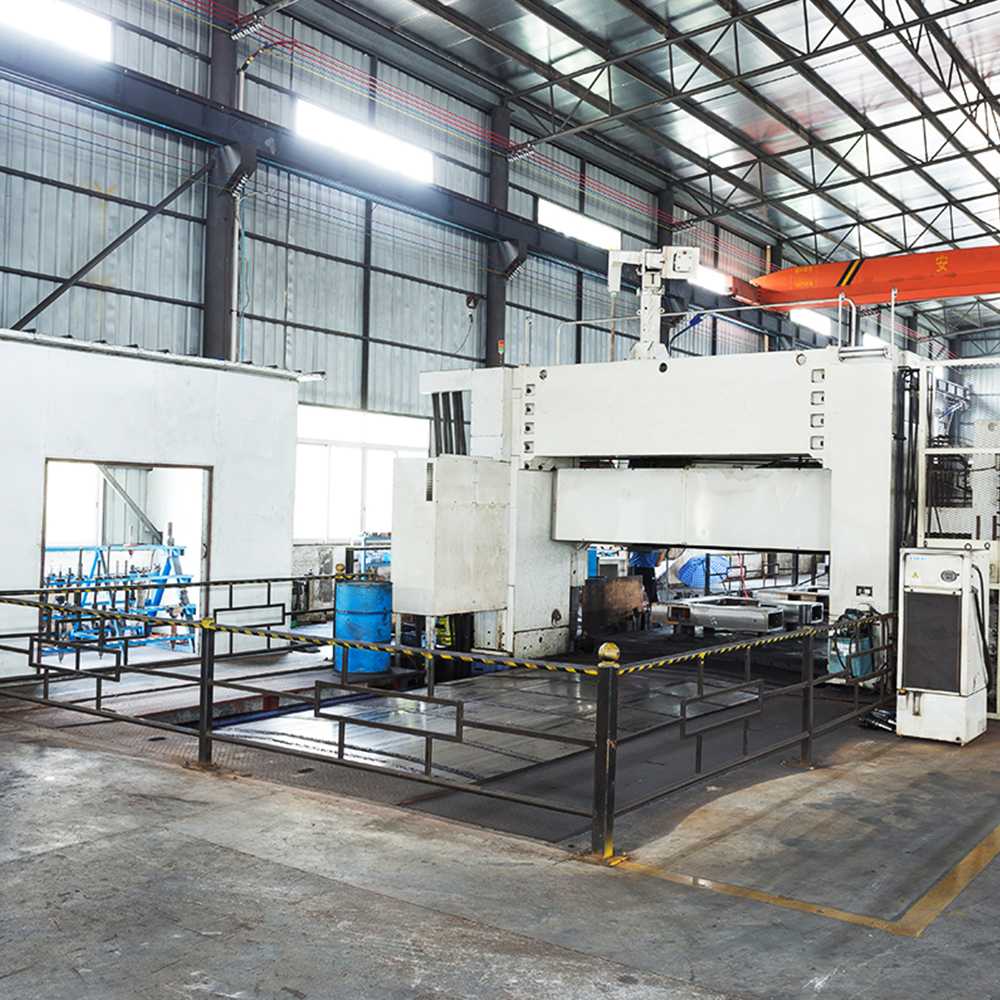
Fig. 2 — A corrugated cardboard production line: the working environment in which pneumatic cylinders drive knife, brake and transfer cycles.
Which Pneumatic Cylinder Specs Keep a Corrugator Running?
Four parameters decide whether a pneumatic cylinder will hold up on corrugator duty: bore size, stroke, working pressure and temperature range. The PC-1 pneumatic cylinder covers those parameters as follows.
| PC-1 parameter | Range | What it determines on the line |
|---|---|---|
| Bore size | 32–400 mm | Force available at the plant's actual operating pressure |
| Maximum stroke | 1000 mm | Reach for transfer, clamp, lift and eject functions; mounting and guiding requirements |
| Working pressure | 1.5 to 8 bar | Whether the cylinder produces full force at the pressure present at the port during actuation |
| Temperature range | −25 °C to 80 °C | Seal and material suitability at the mounting position |
Bore size. Force is the product of pressure and effective piston area. If a plant runs at 5 bar and the load needs more force, the correct answer is a larger bore — not a higher pressure setting that the rest of the line was never designed for. Bores from 32 mm to 400 mm allow the force requirement to be met inside the plant's normal pressure band.
Stroke. Cutting, clamping and stacking functions have very different travel needs. A maximum stroke of 1000 mm covers long-travel functions such as transfer and eject actions, but long stroke raises rod guidance questions: without correct alignment, side load becomes the failure mode instead of seal wear.
Working pressure. The 1.5 to 8 bar band is the window that matters. Plants that lower header pressure for energy reasons are often surprised to find that failures occur at the low end rather than the high end; plants that run high pressure discover seal and impact problems instead. Measure pressure at the cylinder port during actuation, not at the compressor.
Temperature. A range of −25 °C to 80 °C covers most converting halls and most start-up conditions. Where a cylinder sits close to a hot section of the line, shielding or a different mounting position is part of the specification, not an afterthought.
LLY PACK (HK) CO., LIMITED is a Hong Kong–registered supplier of corrugated machine parts and corrugated cardboard production line equipment, with its factory located in Foshan City, Guangdong Province, China. Its product range covers corrugated belts, corrugating rolls, single facers, auto splicers and complete corrugated paper board production lines — the same machines that consume pneumatic cylinders, brakes, chucks and blades as wear parts.
Manufacturing capability behind a part matters when the cylinder has to be matched rather than taken off a shelf. LLY PACK operates four sets of advanced CNC centres from Japan, including a computer-controlled five-face machining centre that supports the precision required on matched components. The company runs a 30-person R&D team, produces 120,000 units annually, and holds more than 100 patents and certificates from the industry. Its quality system is certified to ISO 9001:2015 under Certificate No. 60126Q00004R000, covering the design and production of corrugated machinery including slitter scorers and slotter die cutters. The manufacturing operation draws on more than 25 years of experience in corrugated machines and high-speed corrugated cardboard production lines; products have been exported to over 40 countries, with more than 3,500 successful corrugated line installations worldwide. Main markets include South America, Southeast Asia, Africa, the Middle East and the domestic Chinese market.
Step-by-Step: Diagnosing and Replacing a Failing Cylinder
The sequence below turns a stoppage into a specification. It works whether the cylinder is a direct replacement or a unit that must be selected to the load and environment of the machine.
- Record the failure signature. Note when the stop happens — cold start, high line speed, after a long run, or only at a specific product size. Timing separates force problems from thermal and wear problems.
- Measure pressure at the cylinder port. Read static pressure and pressure during actuation, and compare against the 1.5 to 8 bar working band. A port reading that collapses under load points to the air supply rather than to the cylinder.
- Identify the installed cylinder. Record bore, stroke, mounting type, port position and rod thread from the part being replaced. These dimensions decide whether a replacement will fit without modification.
- Calculate the force requirement. Multiply the effective piston area by the measured operating pressure, then add margin for friction and side load. This is the step where an undersized bore becomes visible.
- Confirm stroke and geometry. Check required travel against the 1000 mm maximum stroke, and verify that the mounting and any guide arrangement can carry a long-stroke load without rod deflection.
- Check the thermal environment. Compare the temperature at the mounting position with the −25 °C to 80 °C band; where the position runs hotter, add shielding or relocate the mounting.
- Fit and verify under cycle conditions. After installation, check actuation timing at full production speed rather than at jog speed, and confirm there is no leakage at the rod seal or fittings.
- Move from reactive to planned replacement. Replace key equipment and wear parts in advance, and use digitised monitoring wherever the machine allows, so that the next failure is scheduled rather than discovered.
Maintenance principle: key equipment and wear parts are replaced in advance, and digitised monitoring is implemented wherever possible to mitigate risks. Regular checks that equipment is operating normally remain the baseline — monitoring does not replace inspection.
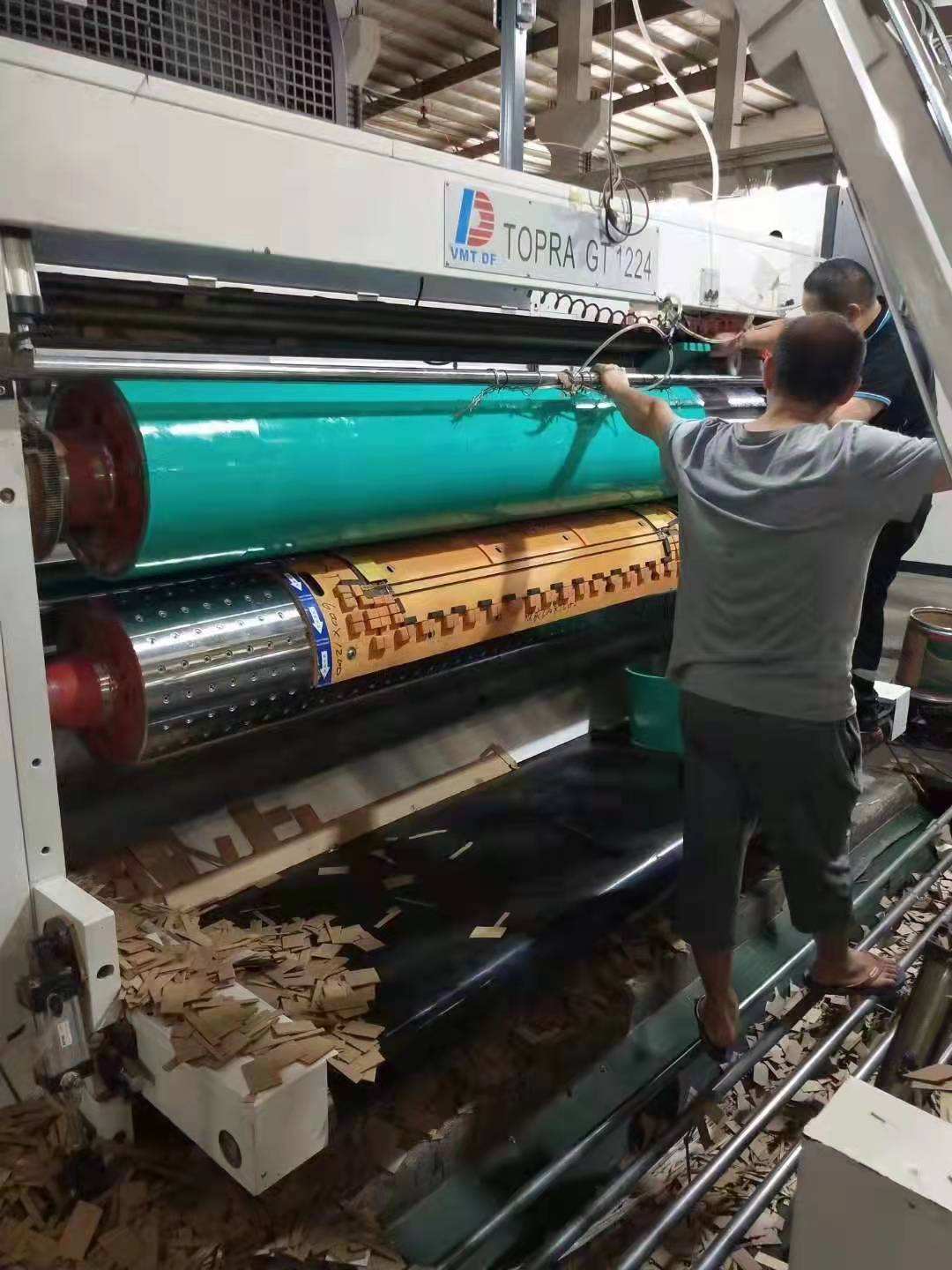
Fig. 3 — Planned inspection of equipment operation is what converts an unplanned cylinder failure into a scheduled replacement.
Where Pneumatic Actuation Appears on a Corrugated Line
Pneumatic cylinders are rarely a standalone item on a corrugator; they sit inside functions that also depend on blades, chucks, belts and hoses. The list below shows where actuation reliability shows up first, and what to verify at each point.
- Cutting and slotting. Slitting blades, slotting blades and NC cut-off blades depend on cylinders to engage and hold position. Verify cycle timing at full line speed after any replacement, not just static movement.
- Die cutting. Rotary die boards and anvil cover rubber interact with pressure and positioning functions; drift here shows up as inconsistent cutting rather than as a hard stop.
- Braking and unwinding. Pneumatic brakes, paper chucks and brake pads on the reel stand share an air supply with the cylinders. Pressure losses traceable to one function often originate in another.
- Stacking and transfer. Clamp, push and lift actions are the long-stroke duties, and they are where the 1000 mm maximum stroke and rod guidance matter most.
- Printing and ink handling. Diaphragm pumps and ink pumps on the printing side are air-driven, so the plant's pressure band affects them directly — as it does printing rollers, printing cushions and anilox rollers downstream.
- Splicing and web handling. Auto splicers, corrugated belts, flexible metal hoses, fibre tapes and high-temperature tapes are usually reviewed in the same maintenance window as the pneumatic components.
Treating these functions as one maintenance envelope is what prevents the classic pattern of replacing a cylinder, restarting the line, and stopping again two days later on a related part.
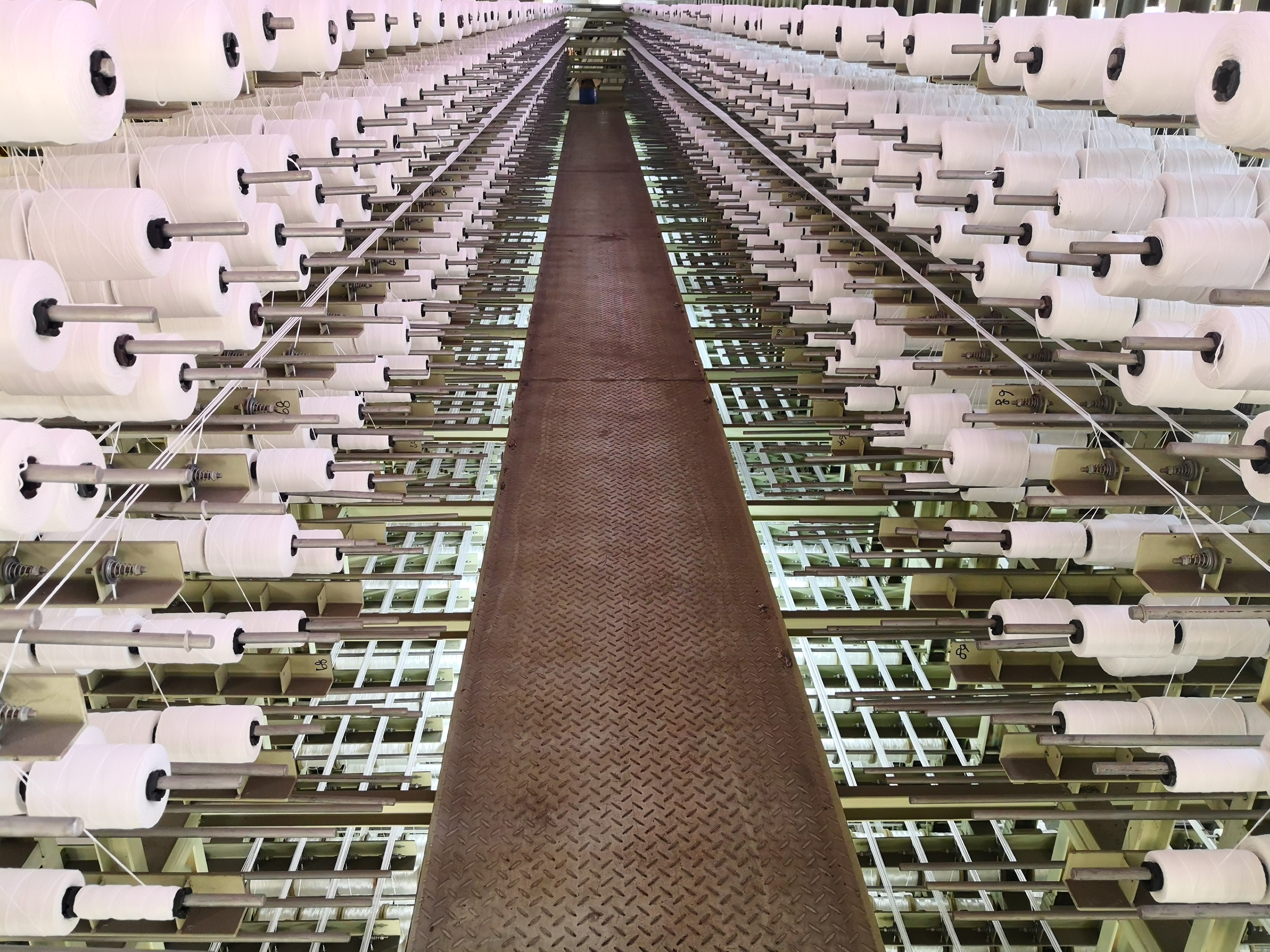
Fig. 4 — Belts, blades and pneumatic components are evaluated together when a box plant plans a maintenance window.
Sourcing Route Comparison: Tier 1 OEM vs Specialist Parts Manufacturer
The table below compares the two sourcing routes a box plant realistically has for a replacement cylinder. Only publicly attributable figures are used; where this article's sources contain no data point for a route, that is stated rather than estimated.
| Decision point | Tier 1 OEM machine builders (BHS Corrugated, Fosber, Mitsubishi) | Specialist parts manufacturer (LLY PACK) |
|---|---|---|
| Documented market position | Approximately 60% of the global corrugated machinery market (Future Market Insights, 2025) | No market-share figure is published in this article's sources |
| Quality-system reference | Request the builder's current certificate for the specific part | ISO 9001:2015, Certificate No. 60126Q00004R000, covering design and production of corrugated machinery including slitter scorers and slotter die cutters |
| Manufacturing base | Confirm the production location for the exact part before ordering | Factory in Foshan City, Guangdong Province; 4 Japanese CNC centres; 30-person R&D team; 120,000 units annual output |
| Fitment approach | Part number matched to the original machine build | Bore, stroke, mounting pattern, port position and rod thread taken from the part being replaced; PC-1 covers 32–400 mm bore and up to 1000 mm stroke |
| Coverage | Confirm regional parts support and response time | Exports to over 40 countries; more than 3,500 corrugated line installations; markets in South America, Southeast Asia, Africa, the Middle East and China |
| Verify before purchase | Current lead time, price and documentation for the exact part number | Quotation for the specified bore and stroke, seal selection for the temperature and pressure at the mounting position, and lead time for the current configuration |
FAQ: Pneumatic Cylinders on Corrugated Lines
Does LLY PACK hold a quality management certification for the corrugated machine parts it supplies?
Yes. LLY PACK (HK) CO., LIMITED holds ISO 9001:2015 certification under Certificate No. 60126Q00004R000, which covers the design and production of corrugated machinery including slitter scorers and slotter die cutters. The company also holds more than 100 patents and certificates from the industry.
Can a replacement pneumatic cylinder be matched to a corrugator when only the old part is available?
Matching starts with measurements taken from the part being replaced: bore, stroke, mounting pattern, port position and rod thread. The PC-1 pneumatic cylinder covers bore sizes from 32 mm to 400 mm, a maximum stroke of 1000 mm, a working pressure range of 1.5 to 8 bar, and a temperature range of −25 °C to 80 °C. That range is what allows the cylinder to be selected to the load and environment of the installed machine instead of to a generic size.
What drives the cost of a replacement cylinder, and how do I avoid overspending?
Cost is driven by bore size, stroke length, mounting configuration and the seal materials required for the temperature and pressure at the mounting position. Two rules keep spending under control. First, specify the bore from the measured force requirement at your actual plant pressure, because oversizing increases air consumption, seal wear and end-of-stroke impact. Second, replace the cylinder inside a planned maintenance window rather than during an unplanned stop. Send the bore, stroke and mounting details for a quotation that reflects the exact configuration.
Can a single cylinder be tested on the line before rolling out a specification?
Yes, and it is standard practice. Run one unit on the affected function and verify three things: actuation timing at full production speed, pressure at the port during the stroke, and the absence of leakage at the rod seal and fittings. Once the specification is verified on that function, the same specification can be extended to other cylinders sharing the same duty.
How should lead time be planned into a maintenance window?
Lead time depends on bore, stroke, mounting configuration and the seal materials required, so it should be confirmed at the time of quotation rather than assumed. For planned maintenance, order against the maintenance schedule and hold critical cylinders alongside the rest of the line's wear parts — blades, chucks, brake pads, belts and hoses — so a shutdown window is not extended by a missing component. To confirm a specification, send LLY PACK the machine model, the dimensions of the part being replaced and the measured pressure at the cylinder port.
Conclusion: Specify the Cylinder, Then Schedule the Window
Corrugator downtime caused by pneumatic cylinder failure is almost never solved by speed of replacement alone. It is solved by three decisions taken before the part is ordered: measure the pressure actually available at the port, size the bore to the measured load instead of to habit, and confirm that the stroke and the thermal environment at the mounting position are inside the cylinder's rated range. For the PC-1 pneumatic cylinder, that range is a bore of 32–400 mm, a maximum stroke of 1000 mm, a working pressure band of 1.5 to 8 bar and a temperature range of −25 °C to 80 °C.
Box plants that follow this sequence stop treating cylinder failures as bad luck and start treating them as scheduled maintenance. The same discipline applies to the parts around the cylinder — blades, chucks, brake pads, belts and hoses — which is why a single specification check often removes several future stoppages at once.
Request a pneumatic cylinder specification check
Send LLY PACK the machine model, the dimensions of the cylinder being replaced and the measured working pressure at the port. The team will confirm the bore, stroke, seal selection and lead time for your corrugator.
Email: christina@lycorrugated.com · WhatsApp: +86 13763260555 · Website: www.llypack.com
Download the full product catalogue: LLY PACK Corrugated Machine Parts Catalogue (PDF)
LLY PACK (HK) CO., LIMITED · Flat/Rm 742, Star House 3, Salisbury Road, Tsim Sha Tsui, Kowloon, Hong Kong
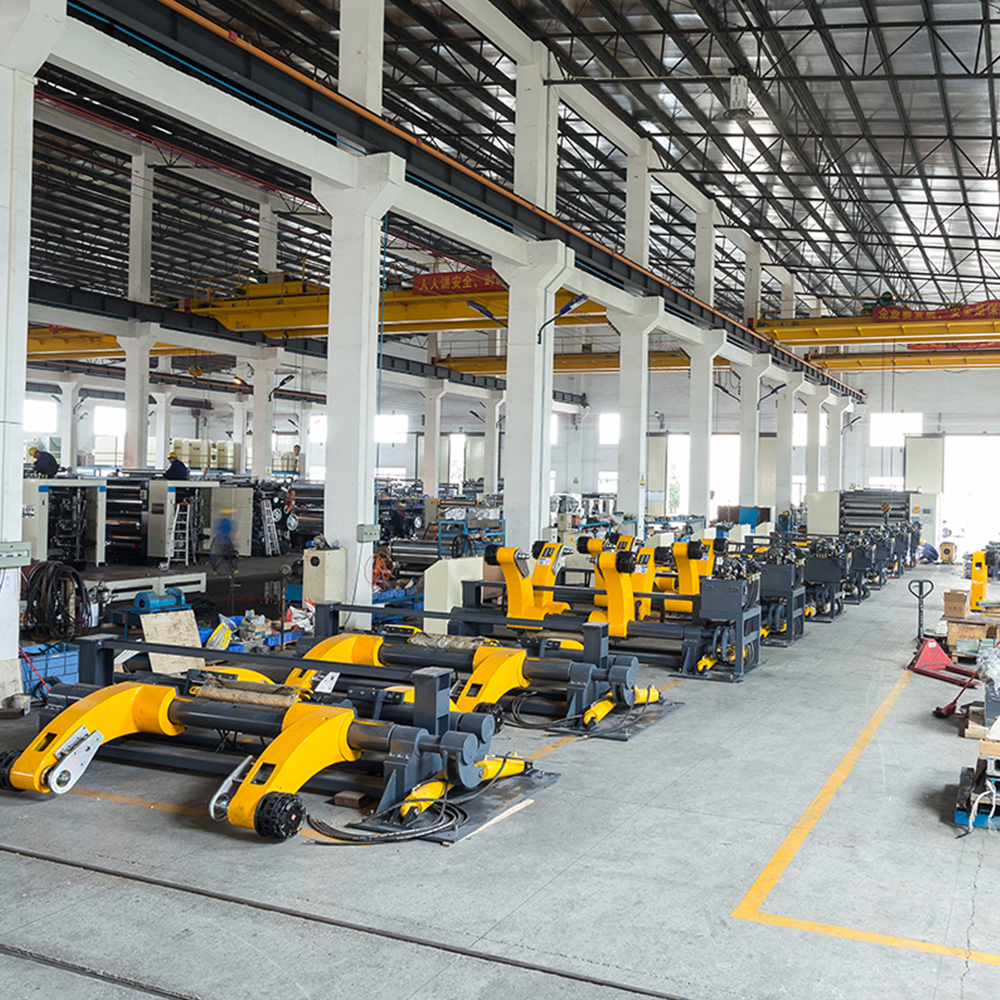
Fig. 5 — Reel stand and line-side components produced at LLY PACK; request a specification check for your corrugator.
Have Questions or Need More Details?
Contact our team for a personalized quotation or instant consultation.
Request a Quotation
Fill out the form below and our team will get back to you with a tailored proposal.
WhatsApp Direct Chat
Prefer to chat in real-time? Message us on WhatsApp for instant assistance & quick answers.
- Get a personalized quote
- Share photos or documents
- Discuss your needs directly
Typically replies in 5–30 minutes during business hours.