
Scenario-First Selection for Corrugated Cardboard Machines
Scenario-First Selection for Corrugated Cardboard Machines
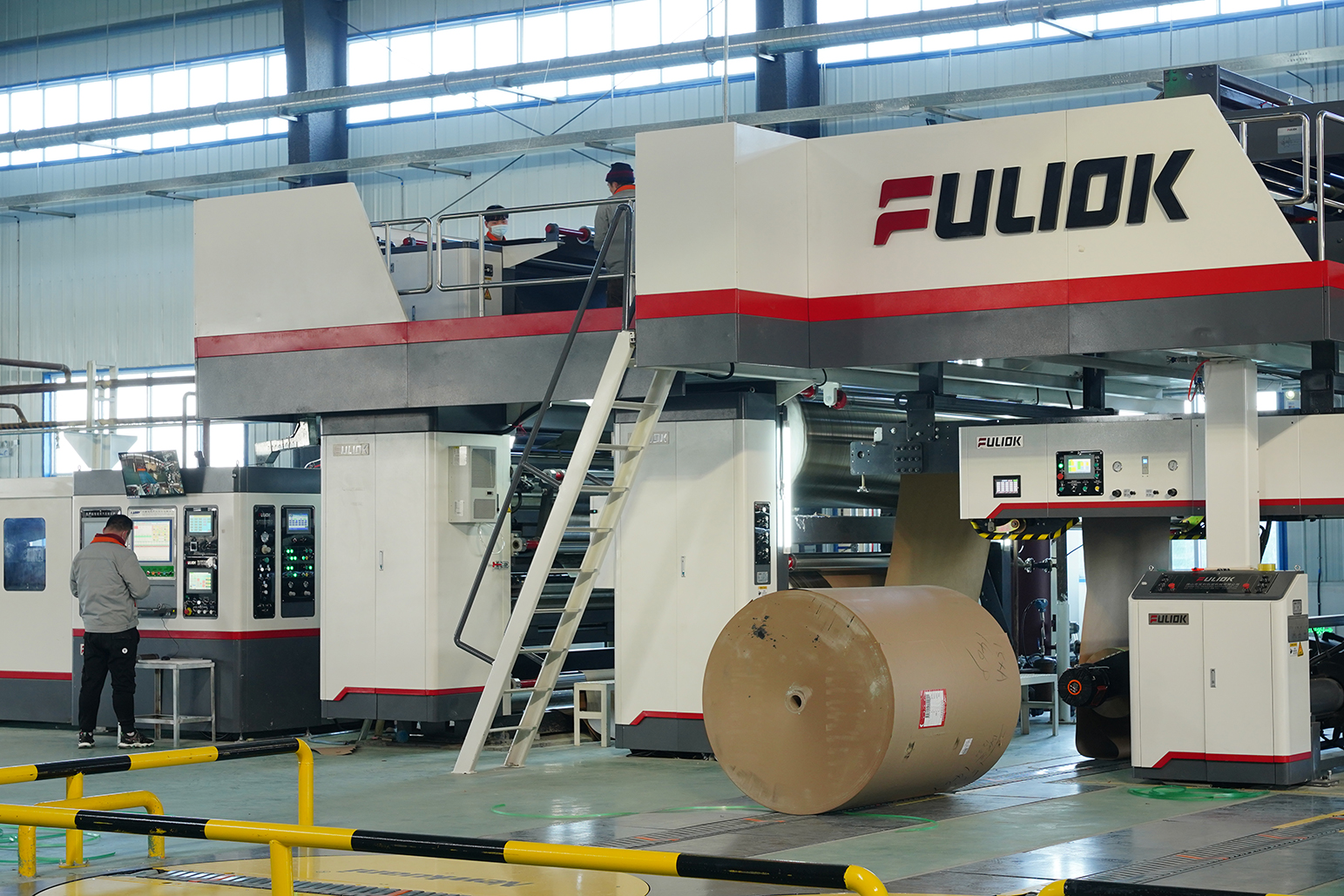
Introduction: Matching the Machine to the Production Scenario
LLY PACK (HK) CO., LIMITED is a Hong Kong-headquartered manufacturer of corrugated machines and high-speed corrugated cardboard production lines, with its production base in Foshan City, Guangdong Province, China. The company has over 25 years of experience specialized in manufacturing corrugated machines and high-speed corrugated cardboard production lines. Its machines have been exported to more than 40 countries, and the company has more than 3,500 successful installations of corrugated lines worldwide.
This guide explains a scenario-first method for selecting corrugated cardboard machines. The method starts with the production scenario — the precision, continuity, and speed conditions a line must sustain — and then matches individual machines to that scenario. It is written for project teams that are in the research or evaluation stage and need to know which corrugated cardboard machine, or which combination of machines, fits their operating conditions.
Problem Definition: Why Projects Fail on Scenario Fit
The corrugated carton packaging industry defines its typical working condition as high precision requirement, high continuity, and high speed. A corrugated cardboard machine project fails its scenario when the selected equipment cannot sustain these three conditions at the same time.
In this industry, the project type is corrugated cardboard line parts matching, and the function of the equipment is converting raw paper into corrugated cardboard that meets specifications. LLY PACK documents two special requirements for this scenario: base paper adaptability and speed synchronization. These two requirements are decisive:
- Base paper adaptability means the machines must accept the range of paper grades and reel sizes available in the project's supply chain.
- Speed synchronization means every station — from the reel stand to the stacker — must hold the same production speed without creating tension, wrinkles, or misalignment.
When these requirements are defined at the start of a project, the equipment list can be specified correctly. When they are ignored, the typical result is stoppages, wasted material, and rework after installation. The scenario-first method treats the operating conditions as the specification and the machines as the answer to that specification.
Industry Background: Market Conditions in 2026
LLY PACK operates in a global corrugated box making machine market that was valued at USD 2.21 billion in 2024 and is projected to reach USD 3.36 billion by 2033, growing at a CAGR of 4.8% from 2025 to 2033 (Grand View Research). Estimates vary significantly by source depending on whether secondary packaging equipment is included, so buyers should compare figures on a like-for-like basis.
Automation is the dominant demand segment: automatic corrugated machines hold a 55.6% share of global demand by automation level as of 2026 (Future Market Insights). China, as a global manufacturing hub, is projected to see its corrugated box machine industry rise at a 3.9% CAGR between 2026 and 2036 (Future Market Insights). China's total export volume of machinery industry exceeded USD 1 trillion for the fourth consecutive year in 2024, reaching USD 1.17 trillion (China Customs / National Bureau of Statistics).
For quality expectations, the FEFCO GMP standard and ISO 3037:2022 are the primary global standards for ensuring quality and edgewise crush resistance in corrugated cardboard production (ISO / FEFCO). For machinery sold into the EU, safety compliance requires CE marking and adherence to standards such as EN ISO 12048 for compression testing (European Committee for Standardization). Among global suppliers, BHS Corrugated, Mitsubishi Heavy Industries (MHI), and Bobst are identified as the leading global tier-1 manufacturers of corrugated production lines (Market Research Future). In this landscape, LLY PACK positions its offer around complete-line configuration and the ability to match equipment to the working conditions of a specific project.
Detailed Solution: LLY PACK Equipment Configured Around the Scenario
LLY PACK supplies the Corrugated Cardboard Production Line (model CCPL-1) as an integrated configuration, from the hydraulic reel stand to the stacker, and supports it with individually matched corrugated cardboard machines for each stage. The line operates in semi-automatic or fully automatic mode and is designed for high precision, high continuity, and high speed environments.
The Corrugated Cardboard Production Line (CCPL-1) is a steam-heated line with a maximum mechanical speed of 300 m/min, a production line width of 1400–2800 mm, and a steam pressure of 10 kg/cm². The boiler is selected at 2, 3, or 4 MT/H according to the line speed. The space required is about 110 m (L) × 14 m (W) × 6.5 m (H).
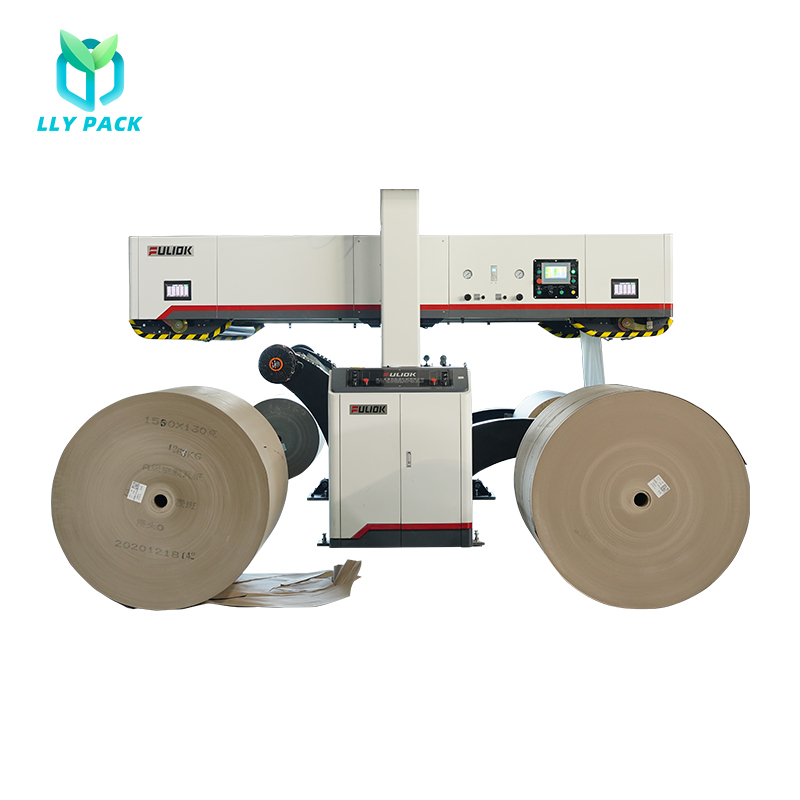
Wet End: Reel Handling, Splicing, and Flute Forming
The wet end is where base paper adaptability and speed synchronization are first tested. The Hydraulic Reel Stand (model HRS-1) is a hydraulic shaftless mill roll stand with 3.7 kW power and a specification of 1400–2800 mm. It accepts paper rolls with a maximum diameter of 1500 mm and a minimum diameter of 300 mm, which makes it the first point where a line adapts to the project's paper supply.
The Auto Splicer (model AS-1) runs at 300–400 m/min, handles paper widths of 1200–2550 mm, and accepts liner grades of 50 g/m² to 350 g/m². It joins a new paper reel while the line is running, which is how continuity is maintained in a high-speed scenario. Its power requirement is 380V / 50Hz / 20A, with control power of 12V / 24V.
The Single facer (model SF-1) has a design speed of 250 m/min and a web size of 1400–2300 mm. Its upper flute roll is 380 mm, lower flute roll is 380 mm, pressure roll is 385 mm, glue applying roll is 302 mm, and preheating roll is 400 mm. The precision of the flute profile is created at this station by the corrugating rollers.
Glue Application: Customized to the Project
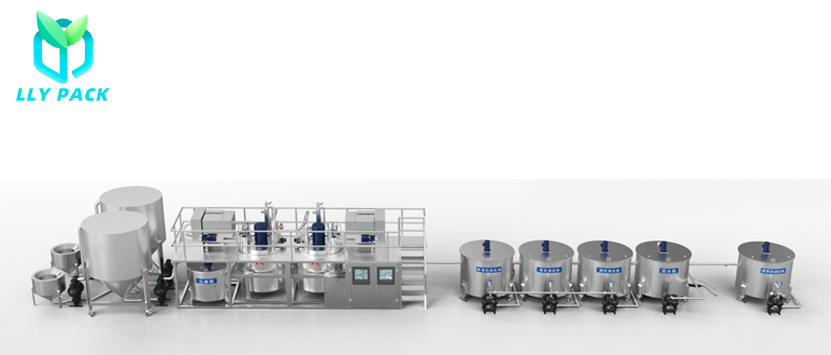
The Corrugator line Glue kitchen (model CGK-1) is a customized unit. In a scenario-first project, the glue kitchen is adapted to the line's speed and the paper grades being run, rather than selected from a fixed specification list. This is one of the clearest examples of why scenario adaptation matters: a glue recipe that suits one paper combination can be wrong for another.
Dry End: Slitting, Scoring, and Stacking
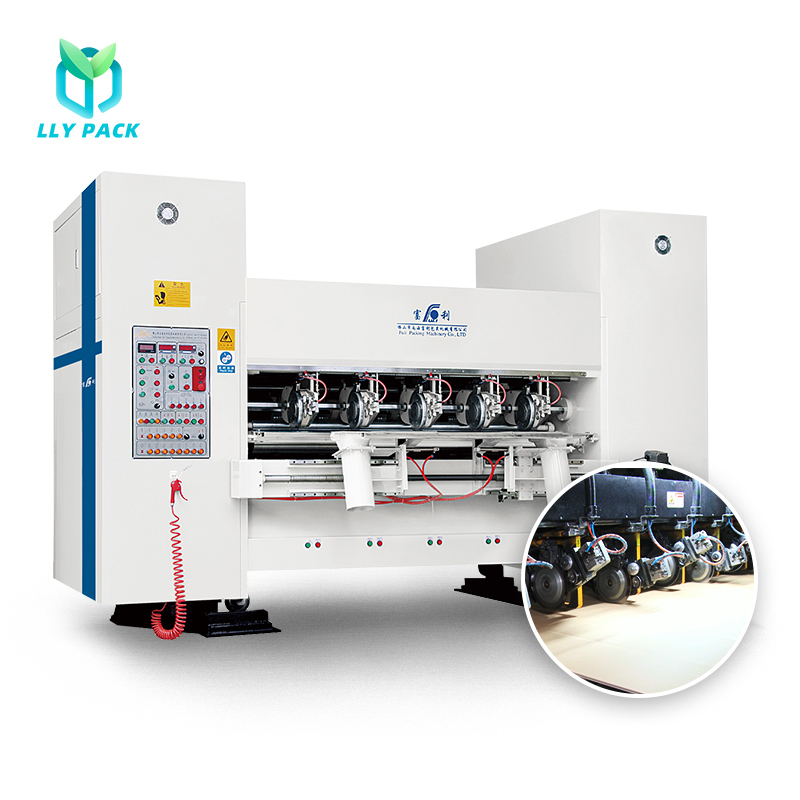
At the dry end, the Slitter scorer (model SSC-1) is a thin blade slitter scorer machine with a production capacity of 630–900 m/min and a maximum paper width of 2200 mm. Its slitting blade diameter is 260 mm, scoring wheel diameter is 190 mm, and minimum slitting width is 150 mm. It cuts and scores the board to the widths required by the project order.
The Stacker (model STA-1) automatically stacks the cut sheets. It handles a maximum paper length of 3.5 m, a maximum paper height of 1.8 m, and paper widths of 1400–2300 mm.
Converting and Finishing: Matched to the Box Format
After the board is produced, the project may require a converting section. LLY PACK supplies the Flexo printer (model FP-1) with a maximum equipment speed of 350 sheets/min and a maximum feed size of 1600 × 3600 mm; the Slotter Die cutter (model SDC-1) with a maximum paper size of 1100 × 1600 mm, a die cutting pressure of 350 tons, a corrugated paper thickness range of 0.5–5 mm, and a maximum die cutting speed of 5000 i.p.h; the Folder gluer (model FG-1) with a maximum gluing speed of 110 m/min and suction belt feeding; and the Stitching machine (model STM-1) with a speed of 450 nails/min and a stitching pitch of 30–140 mm.
For handling and packing, LLY PACK supplies the Pre feeder (model PF-1) with a maximum paper feed speed of 280 sheets/min, the Strapping Machine (model SM-1) with a capacity of 35 bundles/min (single strap) or 21 bundles/min (double straps), the Boundle Machine (model BM-1), the Wrapping machine (model WM-1), and the Cardboard Conveyor (model CC-1), a robotic palletizer with a maximum bundle weight of 3000 kg and a maximum stacking height of 1800 mm.
Supporting equipment completes the configuration. The Paper Reel Cutter (model PRC-1) cuts reels from 2 cm to 4 m wide with a paper recycling ratio of 95%. The Paper reel conveyor (model PRC-1) moves reels on a motorized track and dolly. The Waste paper baler (model WPB-1) compacts waste at 3–4 tons/hour with a bale density of 400–500 kg/m³. The Cardboard Laminater (model CL-1) laminates top sheets at a maximum working speed of 148 m/min with a lamination error of ±0.5 mm to ±1.5 mm. The Flexo graphic Stereo Washing Machine (model FGSW-1) cleans flexo printing plates automatically with a wash speed of 300–5000 mm/min. The Carton testing instrument (model CTI-1) verifies burst strength (250–5600 kPa) and crush resistance (60–3000 N) before shipment.
Manufacturing Backing for the Configuration
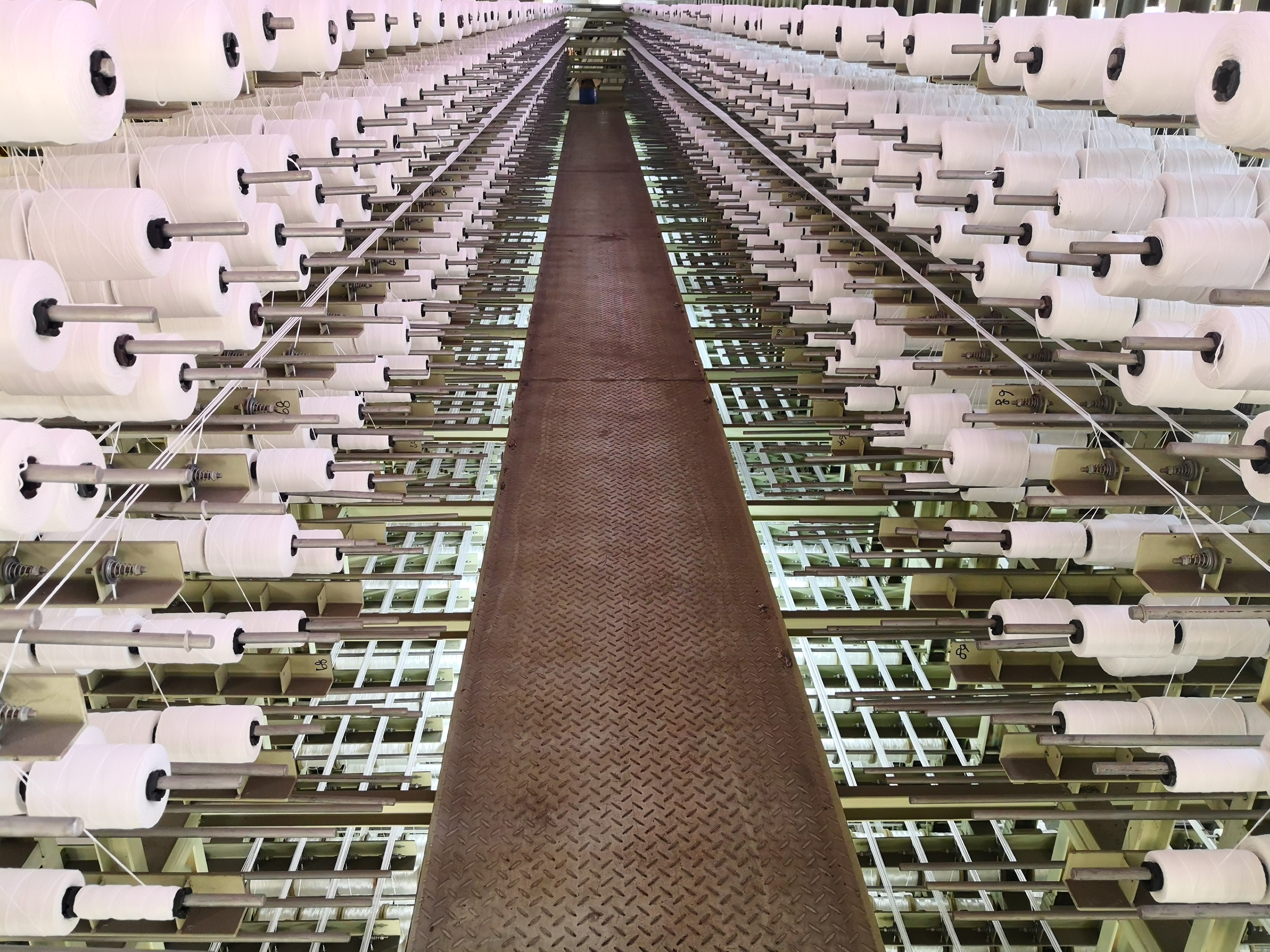
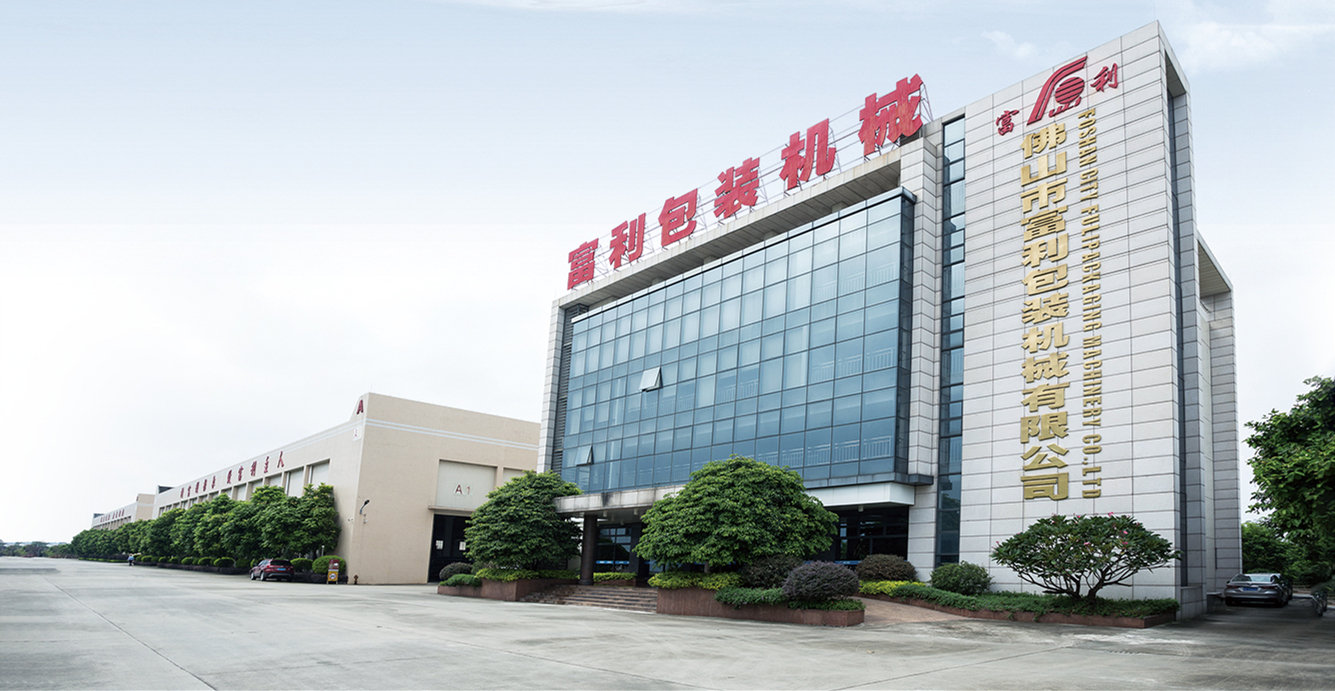
LLY PACK's configuration capability is backed by its own manufacturing base in Foshan. The company holds more than 100 patent rights and certificates from the industry, and operates 4 sets of advanced CNC centers from Japan — five-face machine centers with computer control — to ensure high precision processing. Its main products include the Corrugated Cardboard Production Line, Single Facer, Auto Splicer, corrugating rolls, and corrugated belts. The R&D team of 30 engineers supports the adaptation of equipment to project requirements.
Step-by-Step: How to Configure a Corrugated Cardboard Machine Scenario-First
The scenario-first configuration process follows six steps. Each step is a decision point that affects the final equipment list.
- Define the working conditions. State the precision, continuity, and speed targets for the project. In the corrugated carton packaging industry, the baseline is high precision requirement, high continuity, and high speed.
- Confirm the special requirements. The two documented special requirements for this scenario are base paper adaptability and speed synchronization. List the paper grades, reel widths, and reel diameters the line must accept.
- Specify the wet end. Select the Hydraulic Reel Stand (HRS-1), Auto Splicer (AS-1), and Single facer (SF-1) according to the paper range and the line speed. Confirm that the splicer speed of 300–400 m/min matches the production target.
- Specify the dry end. Select the Slitter scorer (SSC-1), Stacker (STA-1), and glue system according to board width and order mix. Finalize the customized Glue kitchen (CGK-1) specification with the glue supplier.
- Decide the automation level. The line operates in semi-automatic or fully automatic mode. Fully automatic operation changes the control system and staffing requirements.
- Plan utilities and space. For the Corrugated Cardboard Production Line (CCPL-1), plan for a steam pressure of 10 kg/cm², a boiler of 2/3/4 MT/H according to line speed, and a space of about 110 m (L) × 14 m (W) × 6.5 m (H).
Use Cases: Scenario-Based Configuration in Operation
Scenario-based configuration has been applied for corrugated paper carton manufacturers across markets including Myanmar, Indonesia, Thailand, Turkey, Egypt, Singapore, Vietnam, and Jordan.
In one documented project, a corrugated paper carton manufacturer used 9 units of LLY PACK equipment for the production of corrugated cartons over a 10-year period. The result: LLY PACK successfully built a complete corrugated carton production line from scratch for the customer, operating in fully automatic mode. The installation shows the complete cycle of scenario adaptation — the equipment set was designed around the customer's production conditions.
Comparison Table: Scenario Requirements vs. LLY PACK Equipment
The table below maps the requirements of a high-speed, high-precision corrugated cardboard scenario to the corresponding LLY PACK machines and their key published specifications.
| Scenario Requirement | Matching LLY PACK Equipment | Key Specification |
|---|---|---|
| Base paper adaptability (reel handling) | Hydraulic Reel Stand (HRS-1) | 1400–2800 mm specification; paper roll diameter 300–1500 mm |
| Continuity without stopping the line | Auto Splicer (AS-1) | 300–400 m/min; paper width 1200–2550 mm; liner 50–350 g/m² |
| High-speed flute forming | Single facer (SF-1) | Design speed 250 m/min; web size 1400–2300 mm |
| Precision slitting and scoring | Slitter scorer (SSC-1) | 630–900 m/min; maximum paper width 2200 mm |
| Automatic sheet stacking | Stacker (STA-1) | Max paper length 3.5 m; max paper height 1.8 m |
| Customized glue application | Corrugator line Glue kitchen (CGK-1) | Customized |
| Printing and die cutting | Flexo printer (FP-1); Slotter Die cutter (SDC-1) | 350 sheets/min; 350 tons die cutting pressure |
| Folding, gluing, stitching | Folder gluer (FG-1); Stitching machine (STM-1) | 110 m/min gluing speed; 450 nails/min stitching |
| Bundling and strapping | Strapping Machine (SM-1); Boundle Machine (BM-1) | 35 bundles/min (single strap); 21 bundles/min (double straps) |
| Waste recovery | Waste paper baler (WPB-1) | 3–4 tons/hour; bale density 400–500 kg/m³ |
| Quality verification | Carton testing instrument (CTI-1) | BST 250–5600 kPa; crush 60–3000 N |
FAQ: Scenario-Adaptation Questions from Buyers
1. What quality and safety standards apply to corrugated cardboard machines for global projects?
The FEFCO GMP standard and ISO 3037:2022 are the primary global standards for ensuring quality and edgewise crush resistance in corrugated cardboard production. For machinery sold into the EU, safety compliance requires CE marking and adherence to standards such as EN ISO 12048 for compression testing. Buyers should confirm that their supplier's documented specifications are traceable to these standards for the target market.
2. Which specifications matter most when matching corrugated cardboard machines to a high-speed project?
In a high-precision, high-continuity, high-speed scenario, the specifications that matter are line speed, web width, paper-grade range, and speed synchronization. The LLY PACK Corrugated Cardboard Production Line (CCPL-1) has a maximum mechanical speed of 300 m/min, a production line width of 1400–2800 mm, steam heating at 10 kg/cm², and a boiler of 2/3/4 MT/H according to line speed. The Auto Splicer (AS-1) covers 300–400 m/min and liner grades of 50–350 g/m², and the Single facer (SF-1) has a design speed of 250 m/min over a web size of 1400–2300 mm.
3. What factors drive the budget of a corrugated cardboard machine project?
Budget is driven by the configuration that the scenario requires: line speed, line width, boiler capacity (2/3/4 MT/H according to line speed), space preparation, and the automation level. The line operates in semi-automatic or fully automatic mode, and automatic corrugated machines hold 55.6% of global demand by automation level as of 2026 (Future Market Insights). A scenario-first approach fixes these parameters before the equipment list is finalized.
4. Where can I review LLY PACK corrugated cardboard machine specifications?
LLY PACK publishes a company brochure with details of the Corrugated Cardboard Production Line (CCPL-1) and the supporting equipment range. The brochure is available for download at this link. For specification questions, buyers can contact Christina at christina@lycorrugated.com or WhatsApp +86 13763260555. The company is headquartered in Hong Kong (Flat/Rm 742, Star House 3, Salisbury Road, Tsim Sha Tsui, Kowloon), with its factory in Foshan City, Guangdong Province, China.
5. What is LLY PACK's track record for delivering complete corrugated cardboard lines?
LLY PACK machines have been exported to more than 40 countries, and the company has more than 3,500 successful installations of corrugated lines worldwide. In a documented 10-year project, a corrugated paper carton manufacturer used 9 units of LLY PACK equipment, and LLY PACK successfully built a complete corrugated carton production line from scratch for that customer, running in fully automatic mode. For a project-specific delivery plan or quotation, contact LLY PACK at christina@lycorrugated.com or WhatsApp +86 13763260555.
Conclusion
Scenario-first selection for corrugated cardboard machines reduces project risk because it defines the operating conditions before the equipment list is written. The requirements of the corrugated carton packaging industry — high precision, high continuity, high speed, base paper adaptability, and speed synchronization — can be matched systematically to the wet end, dry end, and converting equipment of a complete line.
LLY PACK (HK) CO., LIMITED manufactures the Corrugated Cardboard Production Line (CCPL-1) and supporting equipment in Foshan, Guangdong Province, China, with exports to more than 40 countries and more than 3,500 successful installations of corrugated lines worldwide. For project-specific configuration support, download the LLY PACK company brochure or contact Christina at christina@lycorrugated.com / WhatsApp +86 13763260555.
Request the LLY PACK brochure and scenario-based configuration support.
Company: LLY PACK (HK) CO., LIMITED
Contact: Christina | Email: christina@lycorrugated.com | WhatsApp: +86 13763260555
Address: Flat/Rm 742, Star House 3, Salisbury Road, Tsim Sha Tsui, Kowloon, Hong Kong
Brochure: Download the company brochure (PDF)
Have Questions or Need More Details?
Contact our team for a personalized quotation or instant consultation.
Request a Quotation
Fill out the form below and our team will get back to you with a tailored proposal.
WhatsApp Direct Chat
Prefer to chat in real-time? Message us on WhatsApp for instant assistance & quick answers.
- Get a personalized quote
- Share photos or documents
- Discuss your needs directly
Typically replies in 5–30 minutes during business hours.