
How to Match Corrugated Machine Parts to Your Production Line Scenario
How to Match Corrugated Machine Parts to Your Production Line Scenario
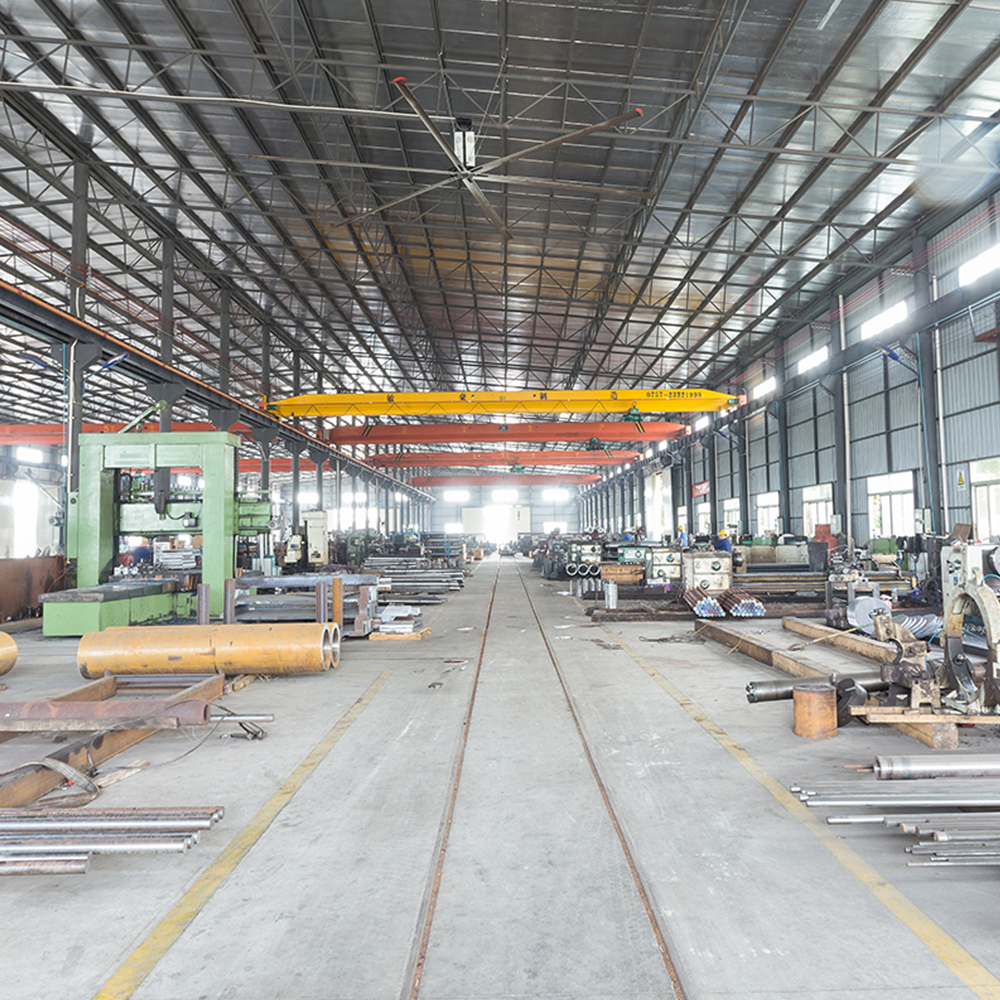
When a box plant orders a replacement part, the first question is not only "Which model?" but "Will this part work in our production scenario?" Corrugated machine parts such as slotting blades, rotary joints, pneumatic brakes, and no crush wheels must fit the machine section, the operating speed, the working environment, and the paper being processed. This guide explains how to evaluate corrugated machine parts from a project and scenario perspective, using data published by LLY PACK (HK) CO., LIMITED.
The Core Problem: Same Part Name, Different Operating Context
Two machines can use a component with the same name but require different dimensions, materials, or connection types. A pneumatic cylinder used for pressure application in one line may have a bore size of 32 mm, while another line needs a larger bore with a longer stroke. A slotting blade can be made from tungsten steel and customized to different hole patterns. Without a clear production scenario, a part number alone is not enough information.
Industry Context: Why Part Selection Is Becoming More Important
The global corrugating machinery market was valued at approximately USD 4.8 billion in 2025 and is projected to reach USD 8.1 billion by 2034, according to Dataintelo. Asia-Pacific accounted for about 40.9% of the corrugated equipment market in 2024, according to Straits Research. China's exports of machinery parts in the broader HS 84 category grew by 7.5% year-on-year in 2024, according to the General Administration of Customs of China. These numbers show why replacement components are part of a wider investment cycle.
Global Tier 1 corrugated machinery manufacturers such as BHS Corrugated, Fosber, and Mitsubishi account for approximately 60% of the market, according to Future Market Insights. The installed base, however, includes many machine generations and configurations. Independent suppliers and machine builders that provide spare parts must therefore support parts matching, not only part sales.
The Solution: Judge Parts by the Production Scenario
LLY PACK describes its parts-matching application as corrugated cardboard line parts matching, with the function of converting raw paper into corrugated cardboard that meets specifications. For corrugated machine parts, the production scenario can be understood in three layers.
Operating Mode: Semi-Automatic or Fully Automatic
This equipment operates in semi-automatic or fully automatic mode. The mode affects how often components are engaged and how much control precision is required. Parts such as pneumatic cylinders, brakes, and sensing components must work reliably under both modes because a change in mode should not change the safety or quality of the process.
Operating Environment: High Precision, High Continuity, and High Speed
This equipment is designed for high precision, high continuity, and high-speed operating environments. In this context, cutting components and tension control components are not judged only by price. Dimensional accuracy, material stability, and wear resistance matter more.
Special Requirements: Base Paper Adaptability and Speed Synchronization
Special requirements for this application include base paper adaptability and speed synchronization. In practice, this means the selected parts should allow the line to handle different base papers and maintain synchronized speed across sections. When a replacement part changes the contact area, the pressure, or the tolerance, it can affect the whole line.
Step-by-Step: How to Select Corrugated Machine Parts for a Project
Step 1: Map the Machine Sections and Consumption Points
Start with the complete production line. A typical corrugator includes a reel stand, splicer, single facer, double facer, slitter scorer, and cut-off unit. The converting area adds printer-slotters, folder gluers, and die-cutters. For each section, list the parts that are replaced regularly: corrugating rollers, double facer belts, rotary joints, slotting blades, creaser wheels, no crush wheels, and fiber combs.
Step 2: Define the Operating Conditions
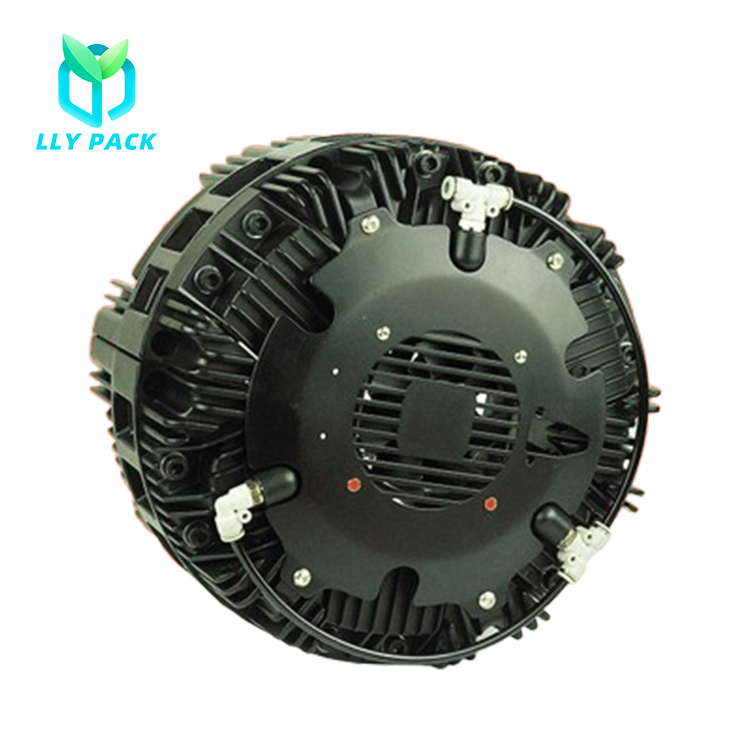
Confirm the line speed, heating method, pressure, and material type. For example, a pneumatic brake used in a high-speed line must handle the torque range required by the reel stand. LLY PACK lists the Pneumatic Brake PB-1 with a torque range of 0-400 Danm, maximum torque of 2800 Nm, and thermal power of 3 kW at 100 rpm. These parameters give a starting point for matching the brake to the reel diameter and paper width.
Step 3: Match the Material to the Function
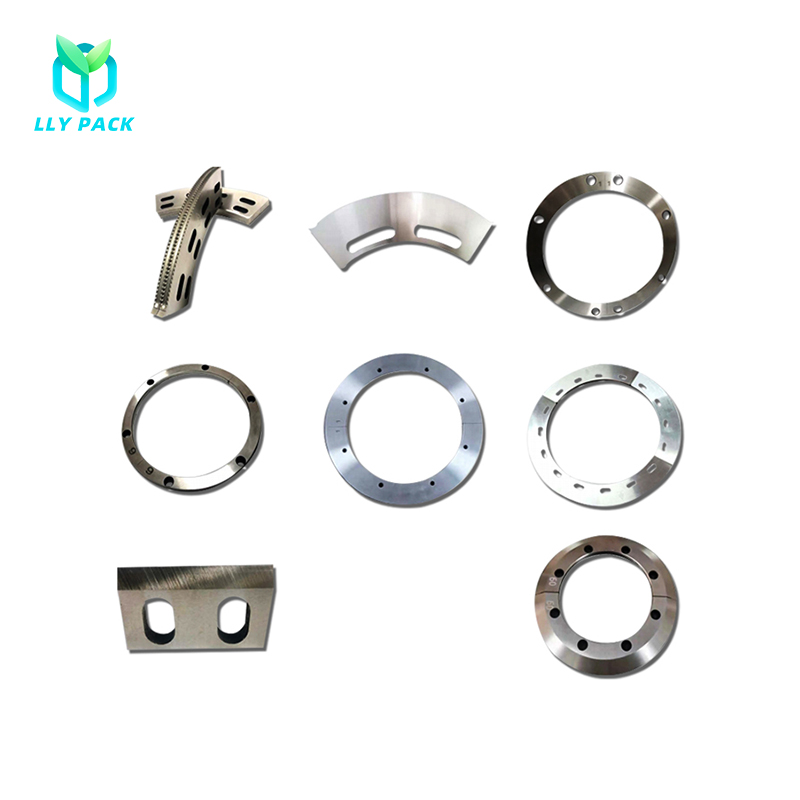
Material selection is part of scenario adaptation. Slotting blades and NC cut-off blades in the LLY PACK range use tungsten steel. Grinding wheels use diamond material. Printing cushions use polyurethane foam. No crush wheels also use polyurethane. High temperature tape uses cotton paper. Rotary joints, flexible metal hoses, fiber combs, and creaser wheels use steel. Brake pads use iron. The material should match the wear mode, temperature, and contact surface of the machine section.
Step 4: Review Customization Options
Many corrugated machine parts are customized as drawings or as requirements. LLY PACK's OEM production mode covers optional materials, outside diameter, inner diameter, number of holes, thickness, and hardness. This is important because two box plants may use the same machine model but different paper widths, flute profiles, or printing configurations.
Step 5: Confirm Quality Control and Lead Time
For a project-based purchase, confirm quality checks and delivery timing. LLY PACK reports a monthly capacity of 1000 pieces, a lead time of 30-45 days, an MOQ of 100 pieces, and 100% test before delivery. The after-sales policy covers replacement for defective products. These facts help buyers plan spare-part budgets and maintenance windows.
Use Cases by Production Scenario
Use Case 1: High-Speed Corrugating Line
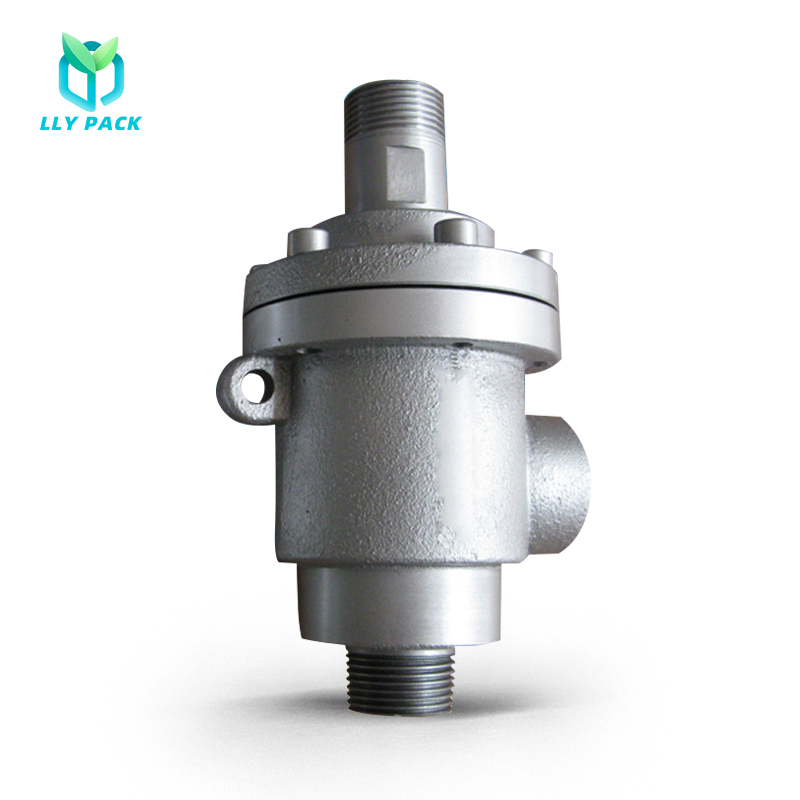
On a corrugating line, the reel stand must keep tension stable while the board travels at high speed. A pneumatic brake controls unwind tension; a rotary joint transfers heating media into rotating rolls; a flexible metal hose connects moving parts; high temperature tape is used in the splicing area. This operating scenario requires high continuity and speed synchronization.
Use Case 2: Printing and Converting Section
In a printing and slotting section, the key parts are slotting blades, NC cut-off blades, grinding wheels, printing cushions, PET pre-strip with film, and ink pumps. A slotting blade must keep its edge while cutting different paper combinations. The printing cushion must absorb pressure differences. The ink pump should supply ink consistently, and PET pre-strip with film is specified for carton printing applications.
Use Case 3: Finishing and Material Handling
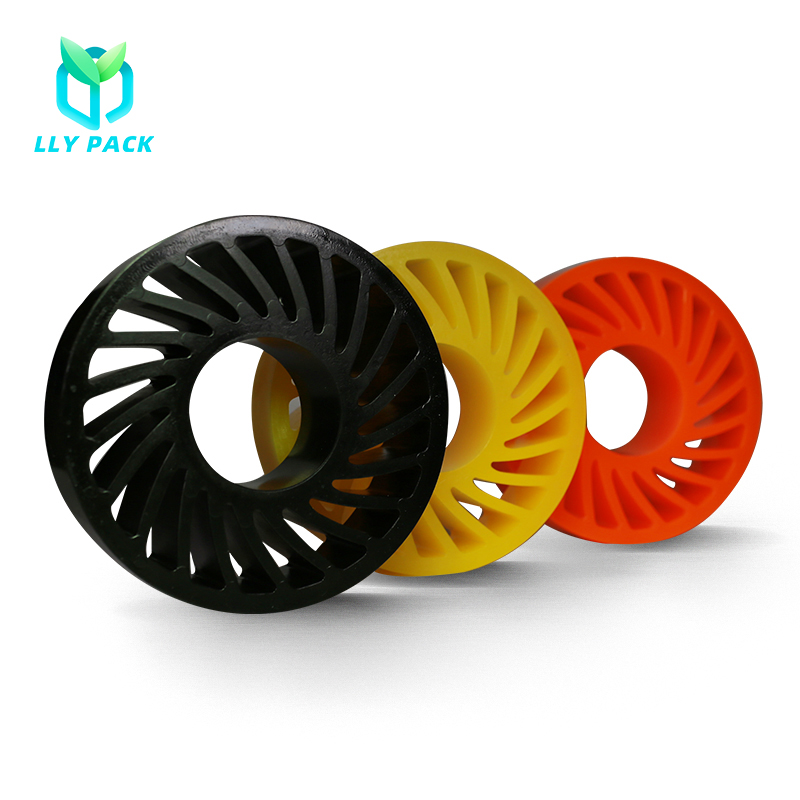
In finishing areas, components such as creaser wheels, no crush wheels, fiber combs, brake pads, paper waste strippers, and plastic pallets affect output quality. No crush wheels are designed to reduce pressure on the board during conveying. Creaser wheels form scoring lines. Fiber combs guide paper. Paper waste strippers remove waste material, and plastic pallets with a standard size of 1200x1000mm are used for handling and storage.
Comparison Table: Key Corrugated Machine Parts and Selection Criteria
The table below lists components available in the LLY PACK range and the selection details that matter for project planning.
| Component | Production Section | Material | Key Selection Input | Model |
|---|---|---|---|---|
| Slotting Blade | Slotting | Tungsten steel | Customized as drawings | SB-1 |
| NC Cut-off Blade | Cut-off | Tungsten steel | Customized | NCOB-1 |
| Grinding Wheel | Tool sharpening | Diamond | Customized | GW-1 |
| Pneumatic Brake | Reel stand tension | Plastic/Steel | Torque range 0-400 Danm; max torque 2800 Nm | PB-1 |
| Rotary Joint | Heating/cooling connection | Steel | Customized | RJ-1 |
| Flexible Metal Hose | Fluid transfer | Steel | Customized | FMH-1 |
| High Temperature Tape | Splicing | Cotton paper | 3cm x 40m; 3.5cm x 50m; 4cm x 50m; 5cm x 50m | HTT-1 |
| Printing Cushion | Printing | Polyurethane foam | Customized as requirement | PCU-1 |
| No Crush Wheel | Conveying | Polyurethane | 100x45x50mm; 130x65x60mm; 165x65x50mm; 165x70x50mm; 180x65x50mm | NCW-1 |
| Creaser Wheel | Scoring | Steel | Customized as drawings | CWH-1 |
| Fiber Comb | Paper guiding | Steel | Customized | FCO-1 |
| Double Facer Belt | Double facer | Cotton | Customized as drawings | DFB-1 |
| Brake Pads | Brake system | Iron | Customized as drawings | BPA-1 |
| Corrugating Roller | Single facer | Tungsten steel | Customized as drawings | CRO-1 |
| Pneumatic Cylinders | Automation | Steel | Bore 32-400mm; max stroke 1000mm; working pressure 1.5-8 bar | PC-1 |
| Ink Pump | Printing ink supply | Steel | Customized as requirement | IP-1 |
| PET Pre-strip With Film | Carton printing | PET | Customized as requirement | PETP-1 |
| Paper Waste Stripper | Finishing | Steel | Power 1.4kW; working speed 2500-4500rpm | PWS-1 |
| Plastic Pallet | Material handling | Plastic | Size 1200x1000mm | PP-1 |
FAQ
1. How do I verify that a corrugated machine part meets quality requirements?
Ask for material specifications, dimensional drawings, and test records. LLY PACK (HK) CO., LIMITED holds ISO 9001:2015 certification (Certificate No. 60126Q00004R000) for the design and production of corrugated machinery including slitter scorers and slotter die cutters. For customized parts, the company applies 100% test before delivery and replaces defective products.
2. Can replacement parts be customized to match my machine configuration?
Yes. Many corrugated machine parts are customized as drawings or as requirements. LLY PACK's OEM production mode covers optional materials, outside diameter, inner diameter, number of holes, thickness, and hardness. To align with high precision, high continuity, and high speed, send the drawing or machine model to the supplier.
3. How should I plan a budget for replacement parts?
Budget depends on the part family, material, and degree of customization. Tungsten steel blades and diamond grinding wheels will not have the same price structure as standard consumables such as high temperature tape. A practical approach is to categorize parts by criticality and replacement frequency, then ask the supplier for a project quotation.
4. Can I request a pre-production sample?
For customized parts, the supplier first needs to review the drawing, material, and dimensions. Since the OEM MOQ is 100 pieces and monthly capacity is 1000 pieces, sample requests should be discussed with the supplier before order confirmation. The quality-control policy of 100% test and replacement for defective products provides additional protection.
5. What is the typical lead time for customized parts?
LLY PACK lists a lead time of 30-45 days for OEM production, with a monthly capacity of 1000 pieces and an MOQ of 100 pieces. Final lead time depends on the drawing, material availability, and order quantity. To get a project-specific answer, send your drawing or part list to the LLY PACK team or download the company brochure below.
Conclusion
Corrugated machine parts should be selected with the production scenario in mind. The operating mode, the speed and precision requirements, and the special demands of base paper adaptability and speed synchronization all influence which part will perform well. By mapping each machine section, confirming materials, and reviewing customization and quality-control conditions, a box plant can reduce the risk of mismatched components and keep the line running predictably.
Need a project-specific answer for your corrugated machine parts?
Send your drawing or machine model to Christina at christina@lycorrugated.com or WhatsApp +86 13763260555.
Address: Flat/Rm 742, Star House 3, Salisbury Road, Tsim Sha Tsui, Kowloon, Hong Kong
Visit www.llypack.com for more information.
Have Questions or Need More Details?
Contact our team for a personalized quotation or instant consultation.
Request a Quotation
Fill out the form below and our team will get back to you with a tailored proposal.
WhatsApp Direct Chat
Prefer to chat in real-time? Message us on WhatsApp for instant assistance & quick answers.
- Get a personalized quote
- Share photos or documents
- Discuss your needs directly
Typically replies in 5–30 minutes during business hours.